
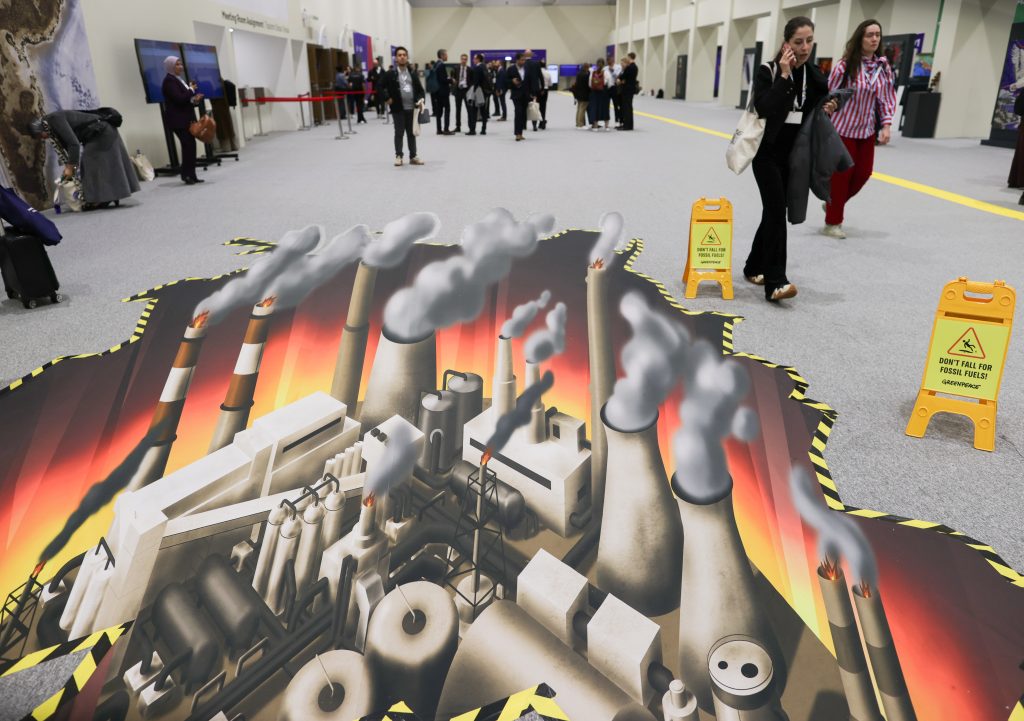
The failure was particularly bitter for countries on the frontlines of climate change. Across Southeast Asia, communities in the Philippines, Indonesia, Thailand and Malaysia face increasingly destructive storms, floods, coastal erosion, and threats to their food and energy security. They are among those who stand to suffer most from the continued burning of fossil fuels, despite having contributed far less to the historical emissions driving global warming than the world’s wealthiest industrialized nations.
Bringing Southeast Asia’s struggles to the world
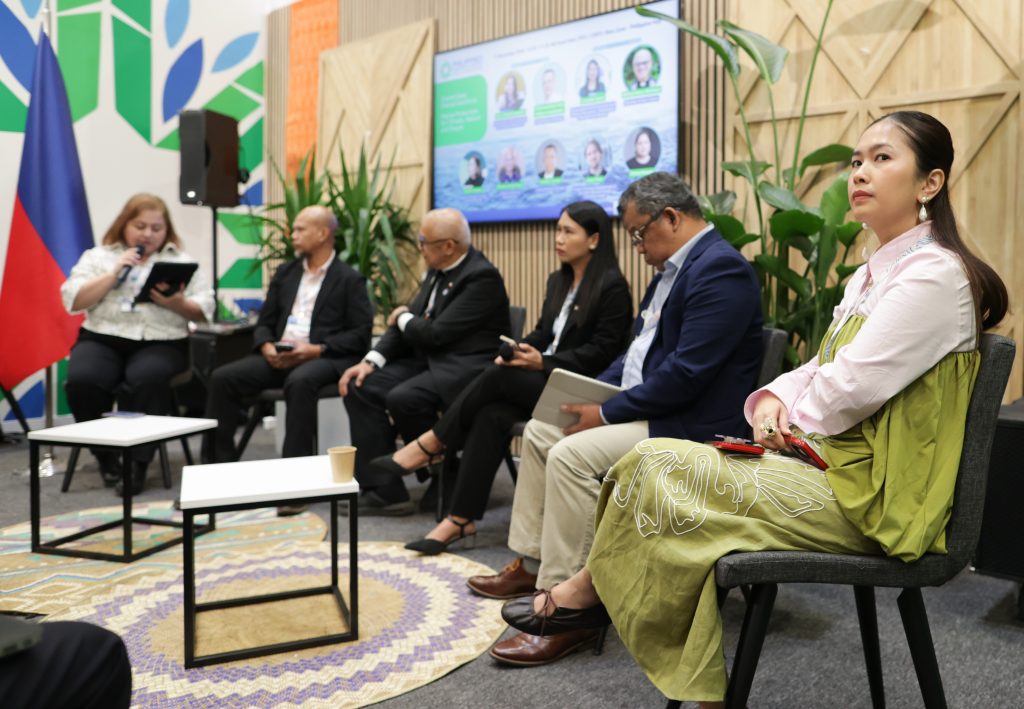
Amid these glaring omissions, the Center for Energy, Ecology, and Development (CEED) brought the cause of Palawan, the Verde Island Passage, and Southeast Asia’s threatened marine ecosystems to COP31.
At its Don’t Drill Paradise press conference, CEED warned that 14 of the Philippines’ 22 active petroleum service contracts are concentrated in waters surrounding Palawan, threatening some of the country’s richest marine biodiversity, traditional fishing grounds, and coastal communities.
Governments cannot credibly promise to protect the oceans while allowing fossil fuel expansion to threaten them. These are inseparable from the broader demands of the Global South — a decisive transition away from coal, oil, and gas, renewables-based electrification, adequate public climate finance, and a just transition led by communities.
The road to Addis Ababa
As international climate negotiations move from Türkiye to Ethiopia, the challenge for the Global South is to forge deeper solidarity across continents and bring the struggles of frontline communities from the margins to the center of global climate diplomacy.
From Southeast Asia to Africa, Latin America, and the Pacific small island states, communities share a collective struggle against an energy system that continues to sacrifice lives, livelihoods, and biodiversity.
Perhaps in Addis Ababa, on African soil, a more decisive climate text can emerge — one that explicitly confronts fossil fuels, translates commitments to ocean protection into action, delivers on climate finance, and recognizes the right of developing nations to pursue a just and renewable energy future.
But such an outcome will not come from diplomacy alone. It will require stronger collective action from the Global South, greater participation from grassroots and indigenous communities, and sustained pressure on governments to honor their commitments.
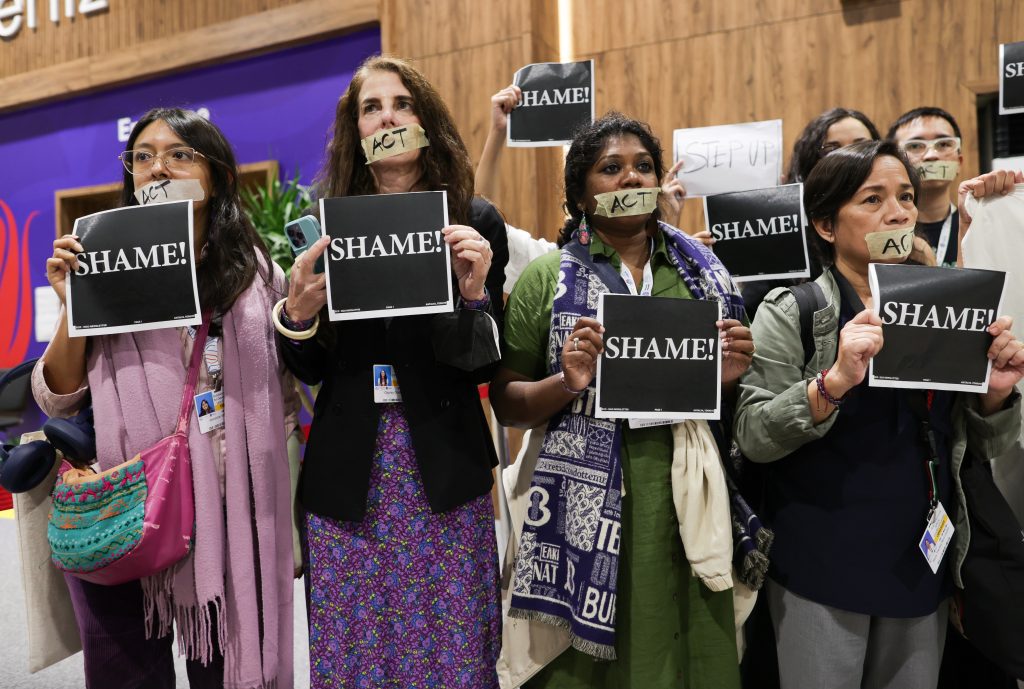
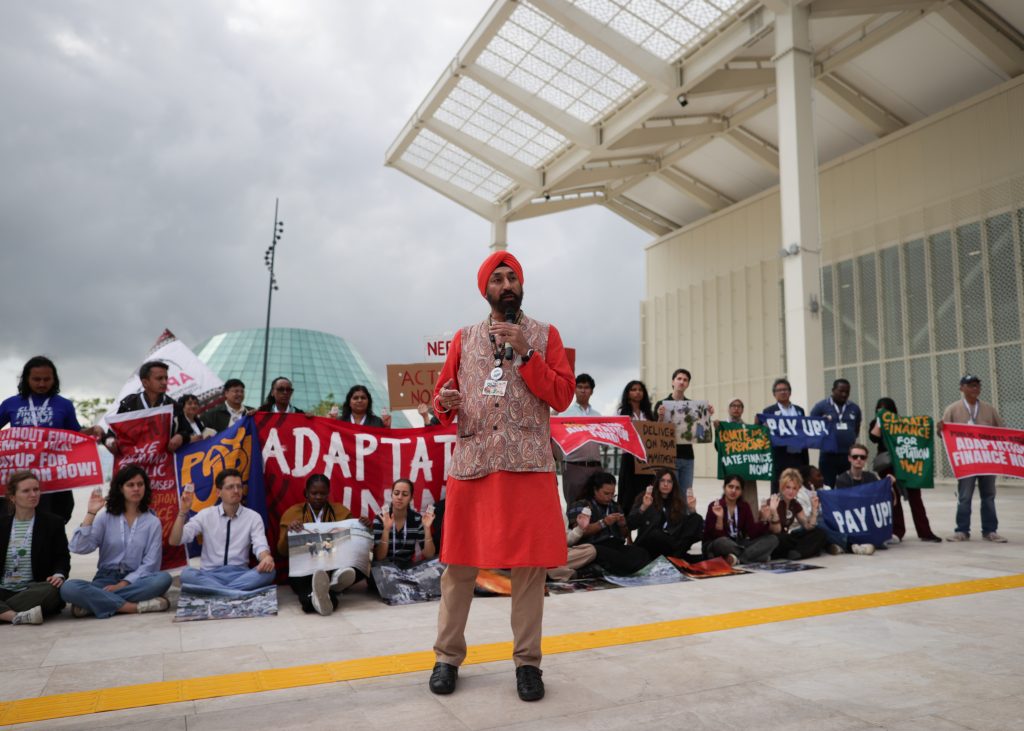
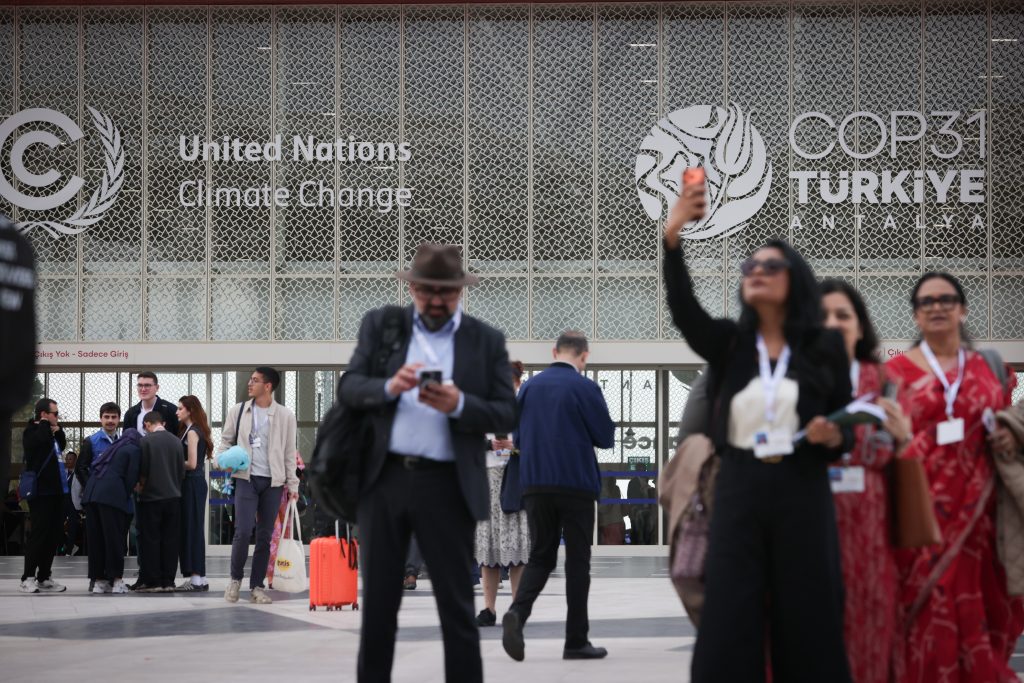
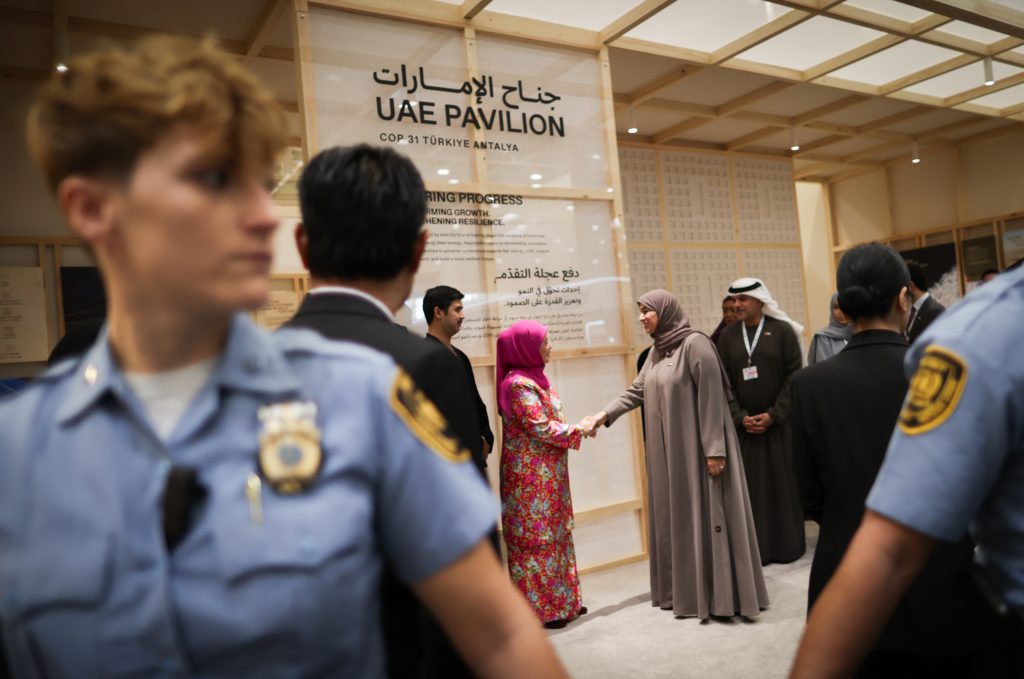
The images from Antalya bear witness to this unfinished struggle — to the people who came from across the world refusing to allow their communities, ecosystems, and futures to become negotiating concessions.
Antalya promised a Blue COP but ended in deadlock. Addis Ababa must deliver what Antalya could not. For Southeast Asia and the Global South, the next chapter of the struggle for climate justice has already begun.
Southeast Asia did not come to Antalya merely to be acknowledged as vulnerable. Its communities came demanding an end to the fossil fuel expansion that threatens their survival, and a just transition powered by renewable energy that leaves no one behind.
The final proposed cover decision failed even to name the fuels responsible for driving the climate crisis. The summit failed to adopt that decision. And once again, those who contributed least to the problem are left facing some of its gravest consequences.
Inside the Blue Zone, negotiations ended in deadlock. But across the Coral Triangle, Tun Mustapha, Verde Island Passage, Bali and the Mekong Delta, and the forests, and coastlines of Southeast Asia, the struggle continues.
COP31 could not agree on the words. The next storm will not wait for governments to find them.